Vet Reveals: The Natural Alternative to Simparica for Your Dog's Parasites That Pet Parents Are Raving About
How thousands of dog owners are finally clearing the parasites their vet kept missing — without monthly neurotoxin pills
I'll Never Forget That Heartbreaking Night
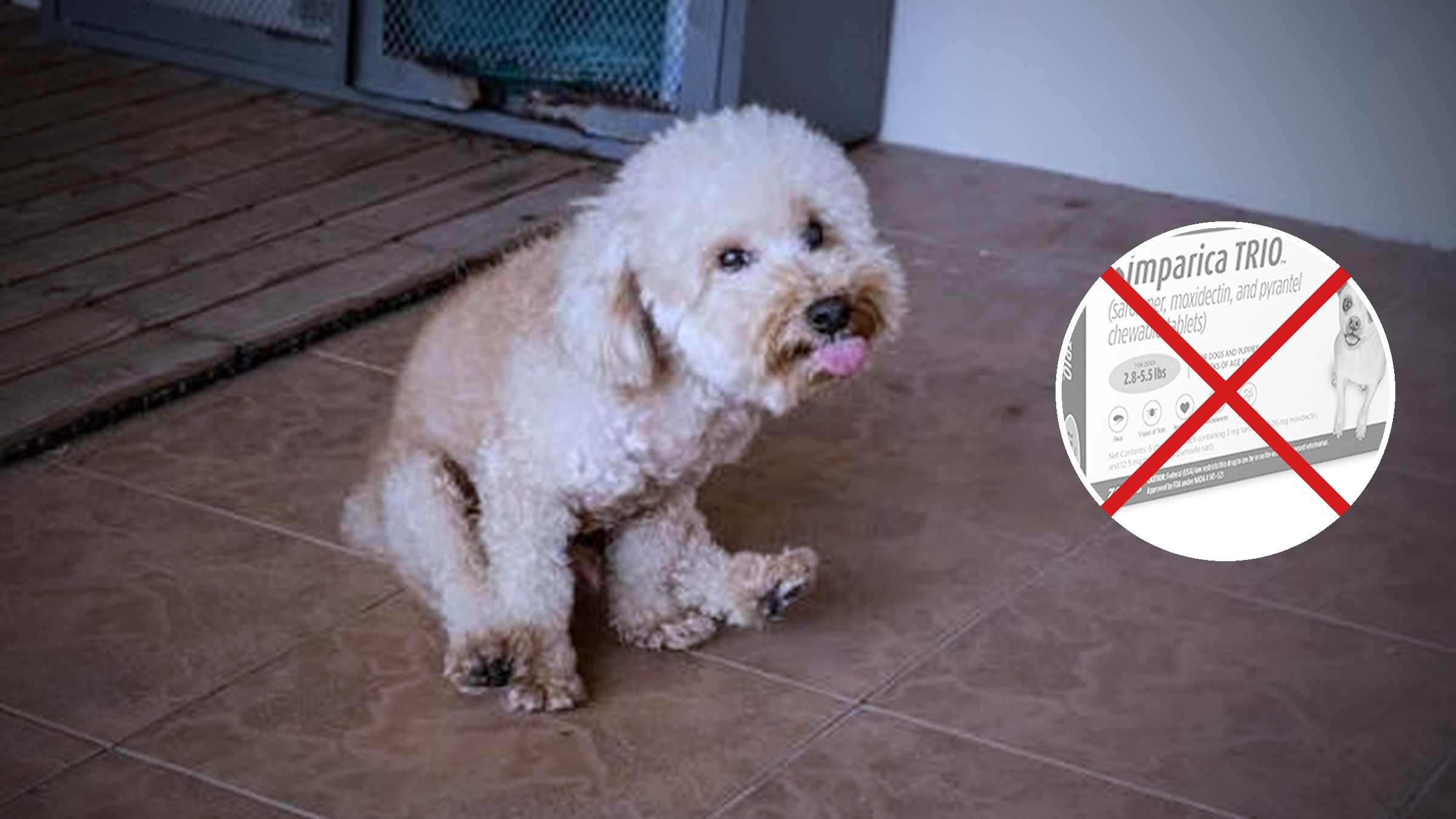
Sitting on the bathroom floor at 2 AM, watching Max drag himself across the tile.
That scooting that just would not stop.
My rescue mutt, Max, the scruffy floppy-eared boy I cried over the whole drive home, was in pain again. Despite the Simparica Trio I gave him that same morning.
"I thought we fixed this," I whispered, fighting back tears as I watched him drag across the tile again.
It had gotten so much worse in the last few weeks.
- The scooting every single morning
- The grass eating on every walk, like he was trying to fix something himself
- The loose stools that had me checking every time he squatted
For Months, Watching Max Suffer Became My Nightmare
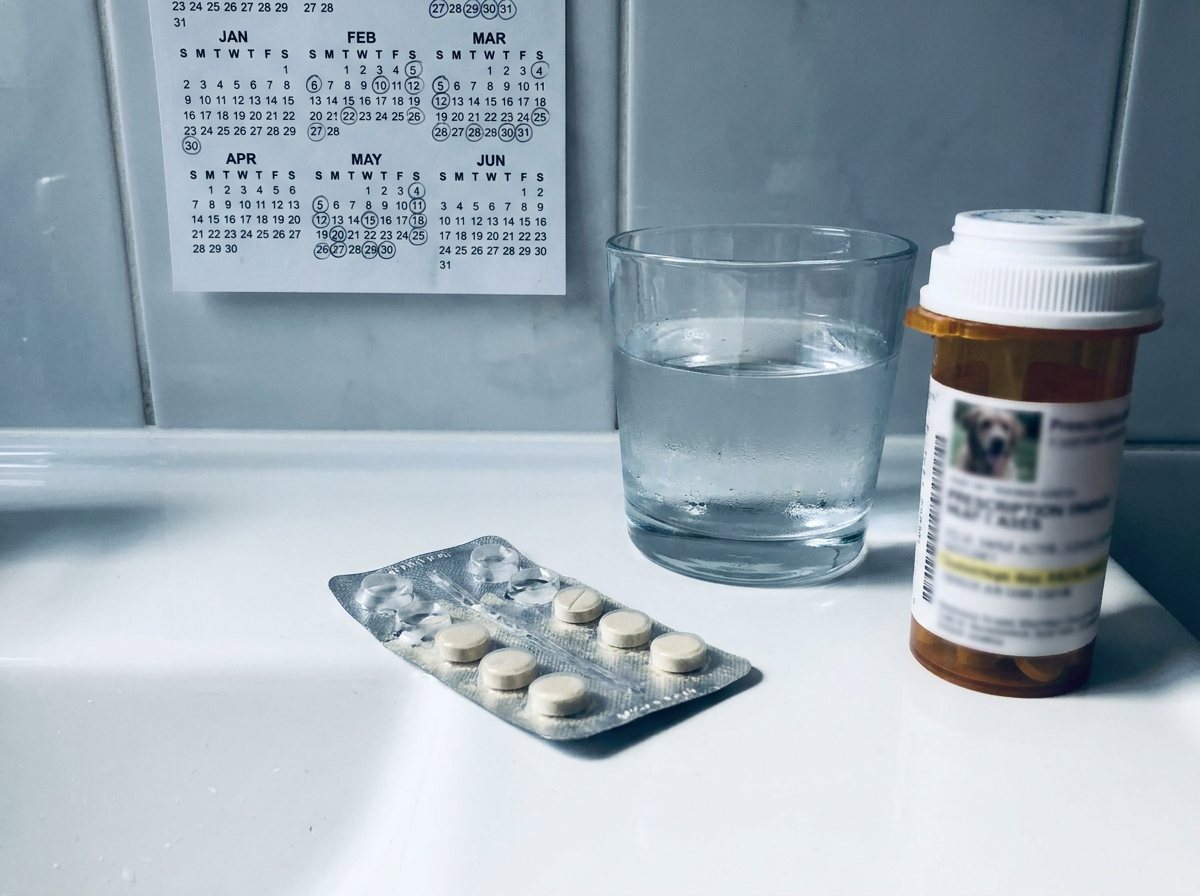
Max had been on Simparica Trio for six months.
At first, I thought it would help. The vet said it would give him "complete protection."
But now? He was worse than when we started.
Every month was the same. I would give him his Simparica Trio tablet — the one that was supposed to protect him — and wait.
For the first few days I would watch him closely. Is he scooting less? Maybe a little?
But then, like clockwork, it would start again.
I tried everything.
- Bland diets he refused to touch
- Gland expressions at the vet, $35 each, and she said the glands were always fine
- Pumpkin, probiotics, fiber, four different dog foods
Nothing held. It would get a little better, and then it would come back. Every time.
The vet bills piled up. $200 here. $300 there. Another fecal test. Another "everything looks normal." Another "let's wait and see."
I spent over $3,800 in eight months. No real answers.
I was giving him his pill on time, every month, exactly as prescribed. I was doing everything right. But Max kept getting worse.
Then something I did not expect happened.
The Night That Changed Everything
Things had gotten much worse.
Max had lost four pounds. I could feel his ribs when I pet him. The loose stools had turned into diarrhea. Sometimes there was blood.
I brought him back to the vet again. Bloodwork fine. Fecal float clean. "Sarah, I think Max is just a sensitive dog."
Then one Tuesday night, he fell off the couch.
His body went stiff. Then the shaking started. His whole body, shaking. His legs gave out. His eyes were open but he was not there.
I screamed. I picked him up. I drove to the emergency vet at midnight.
They stabilized him. "He had a seizure. No prior history?"
Never. Not once in four years.
I sat in that waiting room and sobbed. I called my mom and couldn't get words out. It was the ugly kind of crying.
I could not sleep that night. By 3 AM I was deep in a forum thread I wish I had found months earlier.
What I Found When I Started Digging
Hundreds of dog owners. The same story. Seizures. Tremors. Dogs losing weight, losing their personalities, getting sicker and sicker. All of them on the same class of drug. Simparica. NexGard. Bravecto.
These were not crazy people. These were owners just like me, doing exactly what their vet told them to do, watching their dogs get worse.
Then I found something that explained why nothing had worked.
The Hidden Truth About Why Simparica Trio Stops Working
(It's Not What Your Vet Tells You)
Here is what a 2024 study of 877 US dogs found.
The standard fecal float test — the one your vet orders — misses 78% of Giardia cases. Not a few cases. Seventy-eight percent.
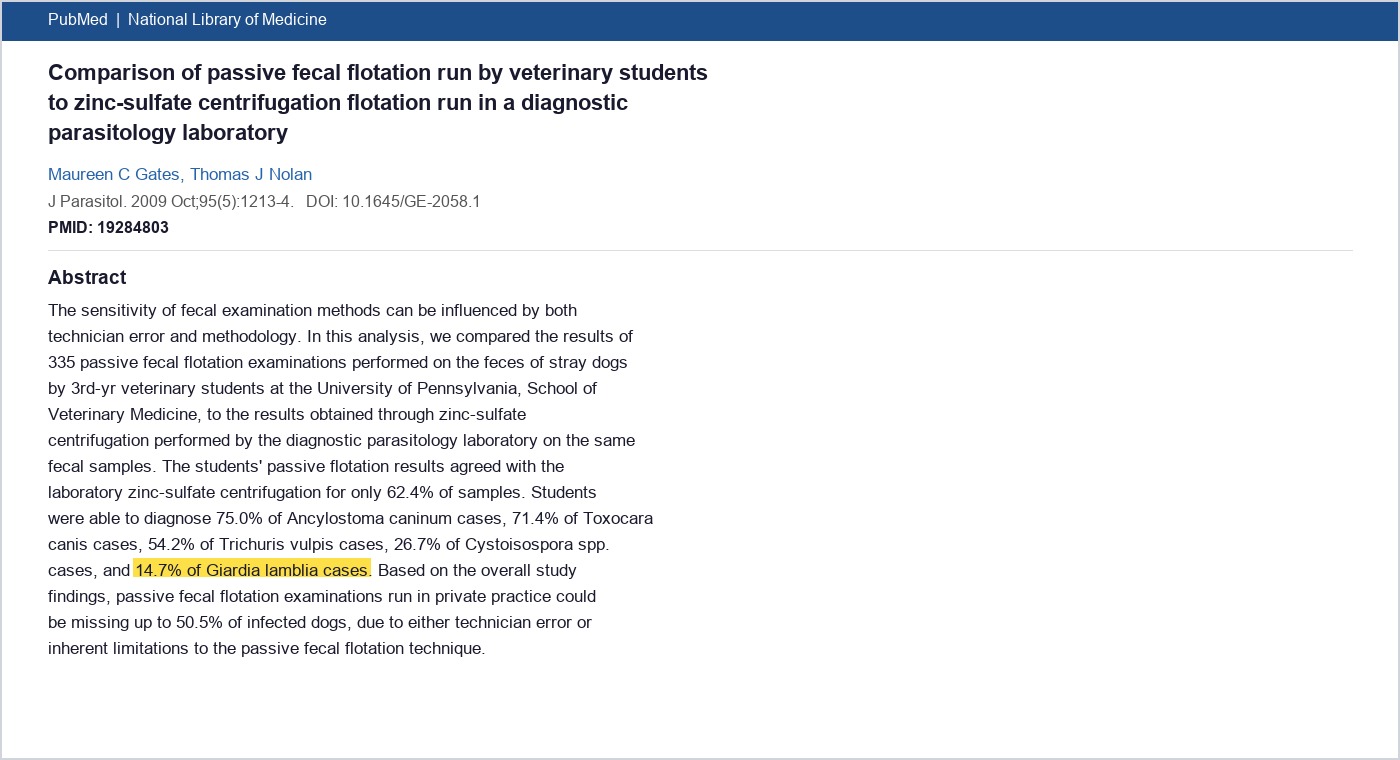
Your dog can be full of parasites and the test says all clear. That is why they kept telling me Max was fine.
But here is the deeper problem.
Even when parasites are found and treated, the medication can only kill what it can reach.
Every time.
That is called the Biofilm Shield Problem. It is why the test came back clean when Max was clearly sick. It is why the scooting came back every month no matter what I gave him. The medication was never reaching what was making him sick.
Here is what happens inside a dog stuck in this cycle:
- Parasites hide under biofilm that no monthly pill can reach
- The fecal test misses them because shielded parasites do not shed into the stool
- The immune system stays in fight mode trying to clear something that never clears
- The gut lining breaks down
- The symptoms — scooting, diarrhea, weight loss — keep coming back after every treatment
That is why the scooting always comes back. The longer a dog stays on monthly prevention that cannot break the biofilm, the more the parasites dig in. And the harder it becomes to clear them.
It was on the label the whole time. I am not angry at my vet. She answered the question she was asked. But nobody looked at the root of it. Nobody asked why the test kept coming back clean when my dog was clearly sick.
The Discovery That Actually Worked
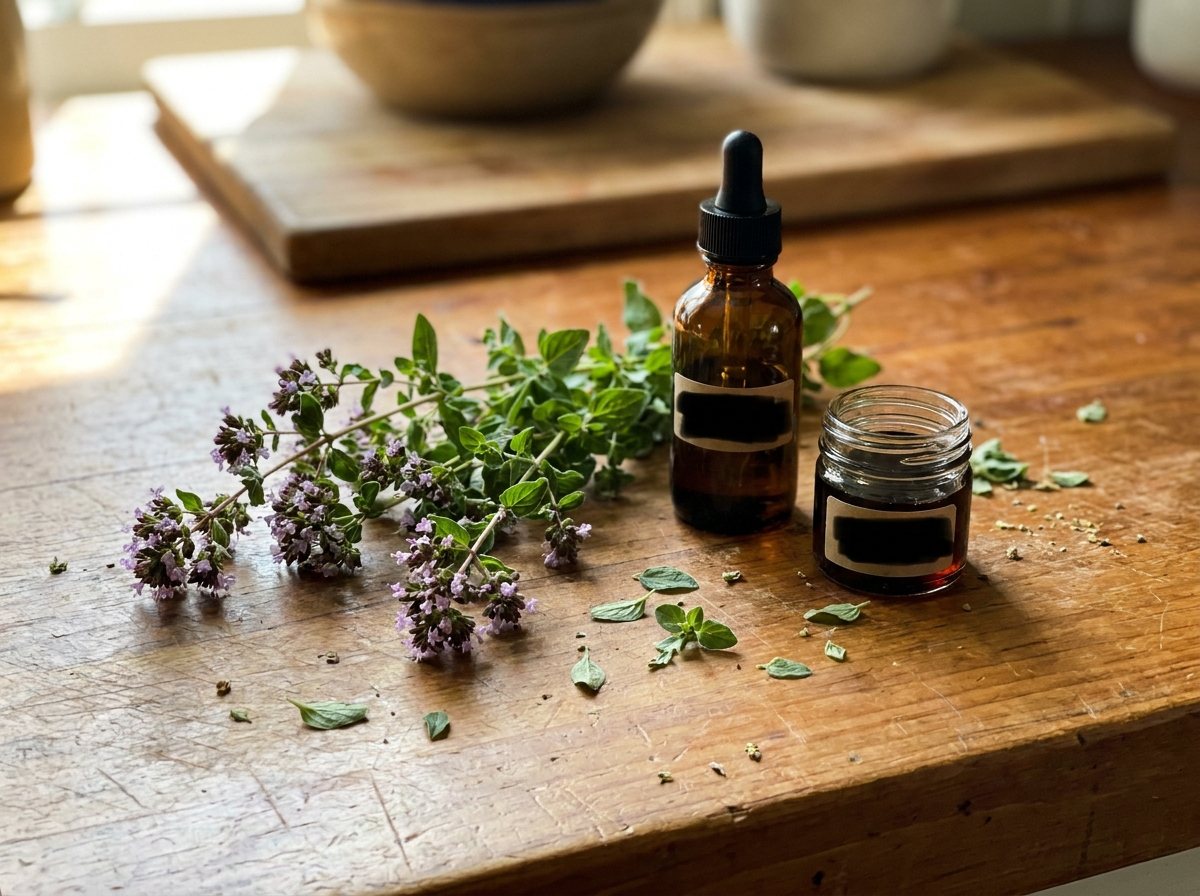
After that night, I stopped giving Max his Simparica. Then I started looking for something that could actually break through the biofilm. Something that worked on the root of the problem, not just what was sitting on top.
That is when I found carvacrol.
Carvacrol is the active compound in oil of oregano. And it does something that no dewormer or anti-parasitic medication does. It breaks down biofilm. Not just the parasites. The shield they are hiding behind.
Studies show that carvacrol dissolves established biofilm and switches off the genes that build new biofilm — in under 12 hours.
Once the shield is gone, the parasites are exposed for the first time. And that is when you can actually clear them.
Here is why most people who "tried oregano oil" say it did not work:
Most oregano oil on the shelf is only 30 to 50% carvacrol. Most bottles do not even print the number. There is not enough active compound to break through a formed biofilm shield. That is why nothing happened. The concentration matters.
I Found a Product Called Pet Organica Oil of Oregano Drops
Here is what makes it different.
The formula had three things working together in a specific order. The first was carvacrol from oregano oil, standardized to 70% or higher. That is the compound that actually breaks through the biofilm shield. Most oregano products on the shelf do not come close to that percentage. Pet Organica prints the exact number right on the label.
The second was cold-pressed black seed oil. Once the carvacrol opens the shield, this goes after the parasites that had been hiding underneath. The ones every dewormer I had tried left behind because it could not reach them.
The third was live spore probiotics. These are the only type that survive inside an oil-based formula. Once the parasites clear, they move in and rebuild the gut from the inside. Without this last step, the biofilm just comes right back. That is why every other approach had stopped working after a few days.
One dropper on his food. Duck flavor. He had no idea.
Max's 30-Day Transformation
I was not expecting much. I had already spent $3,800 on things that did not work. After all of that, and a seizure, I had every reason to be doubtful. But with Max still losing weight and still scooting, what did I have to lose?
His stools started firming up. Not totally different — but I was not dreading every morning anymore.
- The scooting had almost completely stopped
- He was eating his whole bowl at dinner for the first time in months
- He started pulling on the leash again on walks
- Max had gained back two of the four pounds he lost
- The bloody diarrhea was completely gone
- He was waiting by the door when I grabbed the leash
- He did his little spinning-in-circles thing when he gets excited. I had not seen that in almost a year.
But here is what shocked me most.
Even after I stopped giving him Simparica Trio, the symptoms did not come back. For the first time in two years, Max was better. And staying better.
Real Dog Parents, Real Results
"My rescue had been scooting for two years. Three weeks on this and it stopped completely. I am genuinely in shock."— Rebecca T., verified buyer
"Four rounds of antibiotics, two different dewormers, $2,000 in vet bills. One bottle of this and her stool is firm for the first time in 18 months."— Jenna M., verified buyer
"He had his puppy energy back by week three. I sat down and cried. My husband thought I was losing it but he doesn't know what it's like to watch your dog fade."— Amanda L., verified buyer
What Most Simparica Trio Owners Spend Each Year
| Expense | Annual Cost |
|---|---|
| Simparica Trio prescription | $456–$540 |
| Fecal tests + follow-up visits | $300–$400 |
| Treating returning symptoms | $200–$500 |
| Total spent — and scooting never stops | $1,500–$2,000+/yr |
One 60ml bottle of Pet Organica Oil of Oregano Drops is $30 a month. With the Buy 3 Get 2 Free offer, that drops to just $18 a bottle. It targets the actual reason nothing else worked.
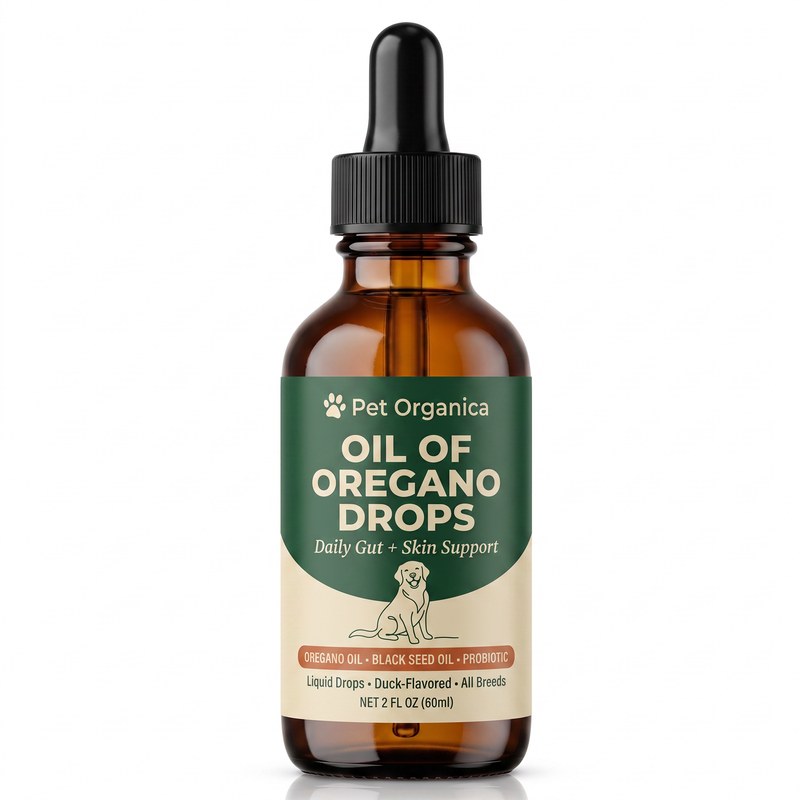
Oil of Oregano Drops
Special Offer
$18 a bottle
- Breaks through biofilm that monthly prevention cannot touch
- Firms stools in the first week
- Stops scooting without suppressing immunity
- No prescription needed · Duck flavor
180-Day Money-Back Guarantee — Empty bottles accepted
My Final Thoughts
It has been six months since Max's seizure. He is off Simparica Trio completely now. He is back to his healthy weight. His coat is thick again. He spins in circles every morning when I grab the leash.
No more scooting. No more bloody diarrhea. No more dreading every bathroom trip.
I kept his Simparica prescription in a drawer for a while. We never used it.
By actually fixing why his gut could not clear the parasites — instead of dosing him month after month with something that missed 85% of what was making him sick — we finally got out of the cycle.
If your dog is still scooting, still losing weight, still struggling even on monthly prevention, you owe it to them to try this. With the 180-day money-back guarantee, there is nothing to lose except the sleepless nights.
— Sarah M.